Finding Quality Pediatric Dentistry
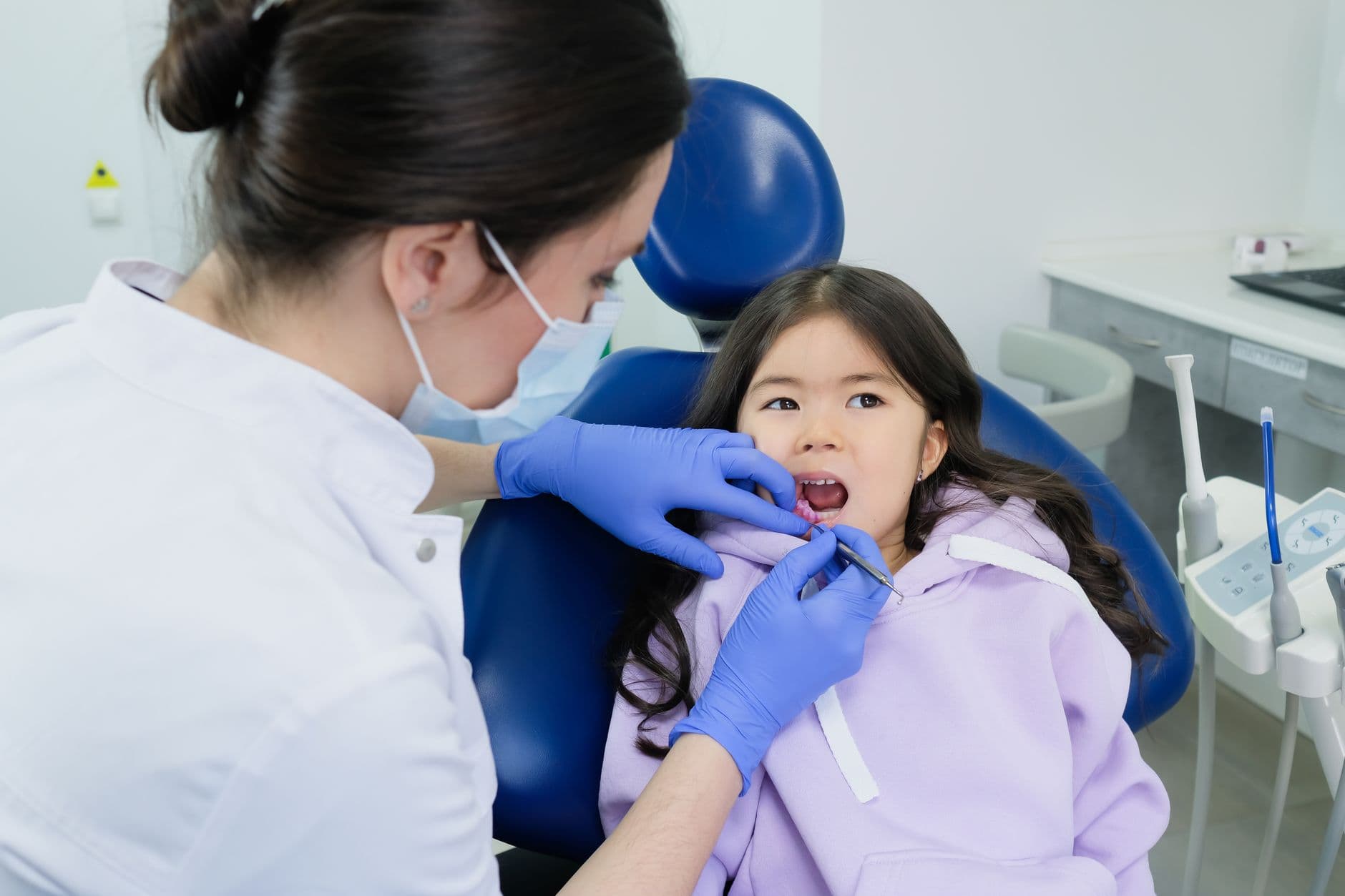
The Search Algorithm for Great Pediatric Dental Care
When you’re raising kids in a rapidly developing area, finding quality healthcare becomes a priority task on your parental sprint. Whether you’re a local family or relocating for work, the question of where to find trustworthy pediatric dental care hits differently when you’re in a newer district where clinics are multiplying as fast as the apartment complexes. The good news? Modern pediatric dentistry has leveled up significantly, and understanding what separates excellent care from adequate care is like knowing which tech stack will scale versus which will create maintenance nightmares down the road.
Areas experiencing rapid growth often see an influx of new medical facilities, and pediatric dentistry in geomdan exemplifies this trend. As a newly developed district in Incheon, Geomdan has attracted young families and modern healthcare providers alike, making it an interesting case study for what tech-savvy parents should prioritize when evaluating dental care options for their children.
Infrastructure Matters: The Clinic Tech Stack
Just as you wouldn’t deploy production code on outdated servers, you shouldn’t settle for pediatric dental care using yesterday’s equipment. Modern pediatric dentistry leverages technology that makes procedures faster, more accurate, and significantly less intimidating for young patients. Digital radiography reduces radiation exposure by up to 90% compared to traditional X-rays while delivering instant results. Intraoral cameras transform abstract explanations into visual evidence kids can actually understand — seeing the cavity on a screen makes it real in a way that “you have a boo-boo on your tooth” never will.
Laser dentistry represents another significant upgrade. For certain procedures, lasers can replace the drill entirely, eliminating the anxiety-inducing sound and vibration that traumatizes so many children. The recovery time is often faster, and the precision is superior. When evaluating clinics, ask about their equipment vintage. A practice that invested in modern technology within the last few years signals both financial health and a commitment to staying current with best practices.
The User Experience Design of Pediatric Clinics
Developer parents understand that user experience isn’t superficial — it’s fundamental to adoption and retention. A pediatric dental clinic’s UX design begins the moment you walk through the door. Is the waiting room optimized for the actual users (kids), or is it an adult space with a toy basket thrown in the corner as an afterthought? Does the staff speak to children in age-appropriate language, or do they talk over kids’ heads to parents exclusively?
The best pediatric dentists employ a technique called “tell-show-do” — explaining a procedure in simple terms, demonstrating it on a model or the parent, then performing it on the child. This predictability reduces anxiety significantly. It’s the same principle behind good documentation: people fear the unknown, and clear communication transforms a scary black box into an understandable process.
Color schemes, lighting, and even scent matter more than you might think. Bright, cheerful environments with natural light reduce stress hormones. Some cutting-edge practices have abandoned the clinical antiseptic smell entirely in favor of neutral or subtly pleasant scents. These details aren’t frivolous — they’re the difference between a child who cooperates calmly and one who requires physical restraint for a simple cleaning.
Specialization Versus General Practice: When It Matters
General dentists can certainly treat children, and many do excellent work. But pediatric dentists complete an additional two to three years of specialized training focused exclusively on child development, behavior management, and the unique dental needs of growing mouths. It’s the difference between a full-stack developer and a specialist who lives and breathes frontend optimization — both can build a website, but the specialist brings depth that shows in edge cases.
For routine checkups and cleanings, a family dentist may be perfectly adequate, especially if your child is cooperative and has no special needs. But for complex treatments, behavioral challenges, or children with anxiety, medical conditions, or developmental differences, a pediatric specialist’s training becomes invaluable. They’re also better equipped to handle dental emergencies in young children, where quick decisions about treatment versus referral can affect long-term outcomes.
The Geographic Equation: Proximity Versus Quality
Living in a developing area presents an interesting optimization problem. Newer districts often have newer facilities with modern equipment and fresh-from-residency dentists bringing current techniques. However, they may lack the deep operational experience and established reputations of practices in older neighborhoods. The convenience factor of having a clinic within walking distance can’t be dismissed — regular six-month checkups are far more likely to happen when they don’t require an hour-long commute.
The ideal solution for many families is finding a newer practice led by an experienced pediatric dentist who relocated to serve a growing community. These practitioners bring proven expertise while leveraging modern facilities and equipment. When researching options, look beyond the practice opening date to the credentials and experience of the actual dentist who will treat your child.
Red Flags and Green Flags: The Code Review Checklist
When evaluating a potential pediatric dental practice, certain signals should immediately capture your attention. Green flags include: staff who greet your child by name and at eye level, a hygienist who explains what they’re doing during the cleaning, appointment scheduling that respects your child’s optimal time of day (morning for most young kids), and a dentist who answers your questions thoroughly without condescension.
Red flags are equally important to recognize. Practices that rush through appointments, staff who seem annoyed by children’s normal behavior, excessive upselling of optional treatments without clear clinical justification, or refusal to discuss treatment alternatives all warrant caution. If a dentist recommends extensive treatment but won’t provide time for a second opinion or seems defensive when questioned, trust your instincts.
Emergency accessibility matters too. Does the practice have provisions for urgent care, or will you be directed to a hospital emergency room for after-hours problems? A chipped tooth or knocked-out tooth requires prompt attention, and knowing your dentist’s emergency protocol before you need it reduces stress exponentially.
Building the Long-Term Relationship
Continuity of care in pediatrics carries significant value. A dentist who has tracked your child’s dental development from toddlerhood can spot emerging issues — like crowding or bite problems — far earlier than someone seeing the mouth for the first time at age eight. This longitudinal perspective enables proactive interventions that prevent more serious problems later.
Think of it as technical debt in reverse: small, timely investments in prevention and early intervention compound into massive savings of time, money, and discomfort down the road. A dentist who knows your child’s history can also tailor their communication style to what works for that specific kid, building trust that makes even difficult procedures more manageable.
The Insurance and Payment Infrastructure
Before committing to a practice, verify their payment systems align with your situation. Do they accept your insurance? If not, are their fees reasonable enough to pay out-of-pocket, or will this create unsustainable financial strain? Some excellent pediatric dentists operate outside insurance networks, gambling that parents will pay premium rates for premium care. This can work well for families with financial flexibility but creates barriers for others.
Payment plans for larger procedures, transparent pricing provided upfront, and staff who can clearly explain insurance coverage and out-of-pocket costs all indicate a practice that respects the financial reality of raising children. Surprise bills after treatment create resentment that poisons the doctor-patient relationship, regardless of clinical quality.
Trust Your Parental Instincts
Data-driven decision making has its place, but sometimes the most important signal is how your child responds to a provider. If your typically anxious child seems calm and engaged, that’s meaningful information. If your usually cooperative kid becomes resistant and stressed, pay attention. Children often perceive things adults miss — a subtle impatience, an inauthentic cheerfulness, a discomfort with messy kid behavior.
Finding excellent pediatric dental care in any location requires research, trial and error, and sometimes compromise. But the investment pays dividends throughout childhood and beyond. Those early experiences shape not just dental health but attitudes toward healthcare generally, self-care habits, and the ability to advocate for oneself in medical settings. Choose thoughtfully, trust the process, and remember that building healthy teeth — like building quality software — is a marathon, not a sprint.