Korean Skin Lifting Treatments Guide
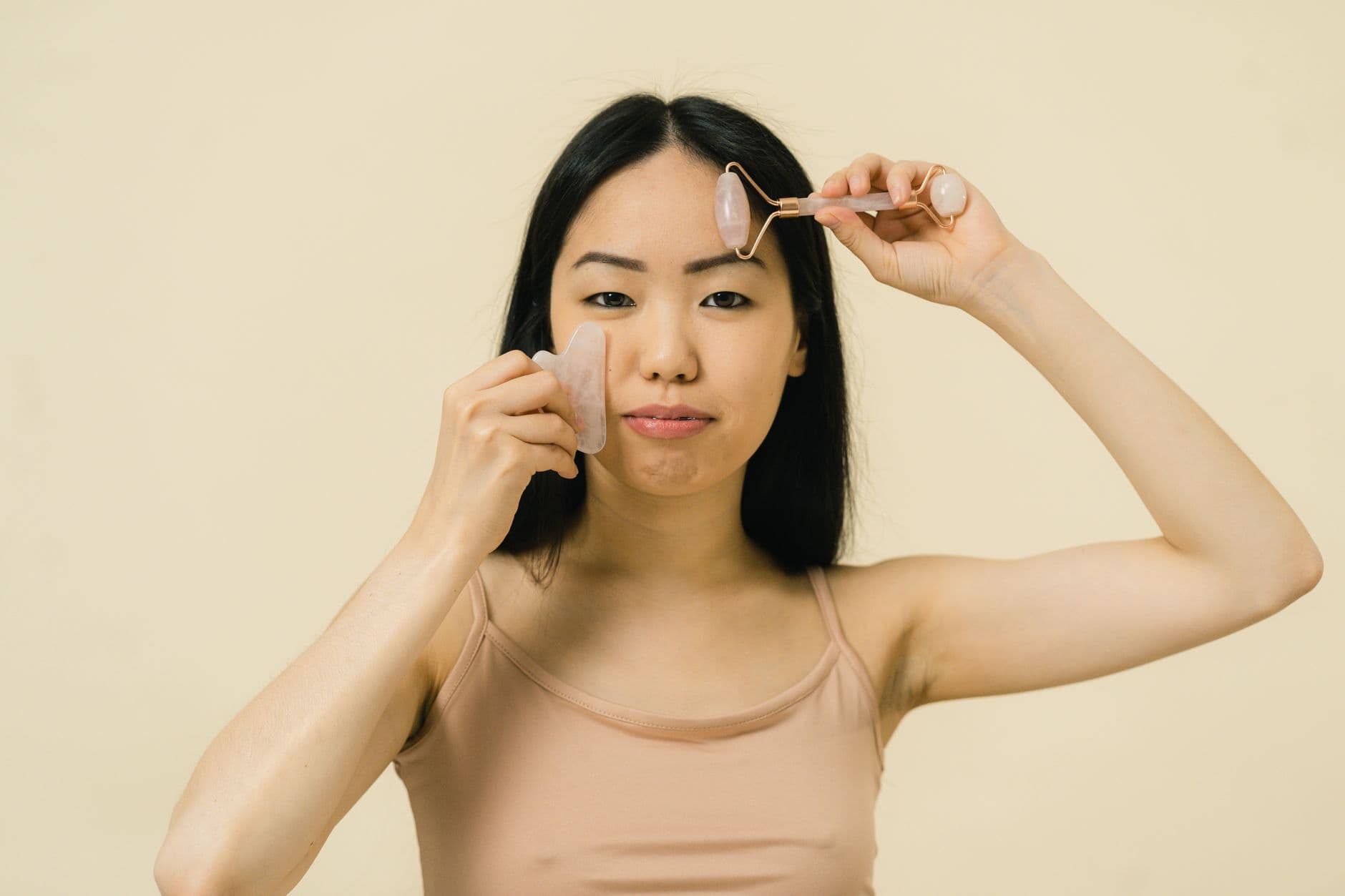
Korean aesthetic medicine has gained global recognition for its innovative approaches to non-surgical skin rejuvenation. When searching for information about Korean skin lifting treatments, understanding how to evaluate the credibility and authority of healthcare providers becomes essential. This guide explores Korean skin lifting procedures while examining the trust signals that help patients identify reputable clinics and reliable treatment information.
Understanding Korean Skin Lifting Treatments
Korean skin lifting treatments encompass a range of non-invasive and minimally invasive procedures designed to address skin laxity, wrinkles, and signs of aging. These treatments have evolved from traditional surgical facelifts to include advanced technologies such as ultrasound therapy, radiofrequency devices, and thread lifting techniques. The Korean aesthetic medicine industry has pioneered many of these innovations, establishing standards that influence global practices.
Common Korean skin lifting procedures include High-Intensity Focused Ultrasound (HIFU), which stimulates collagen production deep within the skin layers, and PDO thread lifts that provide immediate lifting effects while promoting natural collagen formation. Radiofrequency treatments offer another popular option, using controlled heat to tighten existing collagen fibers and encourage new collagen growth.
Evaluating Clinic Authority and Expertise
When researching Korean skin lifting treatments, patients must assess whether healthcare providers demonstrate genuine medical expertise and authority. Several key indicators help distinguish reputable clinics from less credible sources:
Professional Credentials and Certifications
Legitimate Korean aesthetic clinics typically display board certifications, medical licenses, and specialized training credentials. Physicians specializing in dermatology or plastic surgery bring specific expertise to skin lifting procedures. Reputable establishments openly share information about their medical staff’s qualifications and continuing education.
Clinical Evidence and Treatment Protocols
Authoritative clinics provide detailed information about treatment protocols, expected outcomes, and potential risks. They reference clinical studies and medical literature supporting their approaches. This transparency demonstrates a commitment to evidence-based practice rather than relying solely on marketing claims.
Online Trust Signals
The digital presence of Korean aesthetic clinics reveals important credibility indicators. High-quality medical websites feature educational content, patient safety information, and clear communication channels. For example, 베르나의원 represents the type of established Korean clinic that maintains a professional online presence while providing comprehensive treatment information.
Building Health Authority Through Content
Korean skin lifting clinics that prioritize patient education demonstrate higher levels of authority and trustworthiness. Quality healthcare providers invest in creating informative content that helps potential patients make informed decisions. This approach aligns with broader trends in health information delivery, where expertise and transparency build lasting patient relationships.
Educational Resources
Reputable clinics offer detailed explanations of treatment mechanisms, recovery processes, and realistic outcome expectations. They address common questions and concerns, acknowledging both benefits and limitations of various procedures. This balanced approach signals genuine expertise rather than aggressive sales tactics.
Patient Safety Focus
Authority in aesthetic medicine requires prioritizing patient safety above marketing goals. Credible Korean clinics emphasize pre-treatment consultations, individualized treatment plans, and thorough screening for contraindications. They maintain transparent policies regarding complications, follow-up care, and patient satisfaction.
The Role of Backlinks in Health Information
For patients researching Korean skin lifting treatments, understanding how healthcare websites establish authority provides valuable context. Search engines evaluate health information sites based on signals of expertise, experience, authority, and trustworthiness. Backlinks from reputable medical sources, educational institutions, and recognized healthcare platforms contribute to these authority signals.
When a Korean aesthetic clinic receives links from dermatology associations, medical journals, or established healthcare directories, these connections suggest professional recognition within the medical community. Patients can use this information as one factor among many when evaluating potential treatment providers.
Researching Treatment Options Effectively
Patients considering Korean skin lifting treatments benefit from systematic research approaches that prioritize authoritative sources:
Start With Medical Literature
Academic databases and peer-reviewed journals provide scientific context for various skin lifting technologies. Understanding the clinical evidence behind HIFU, thread lifts, or radiofrequency treatments helps patients ask informed questions during consultations.
Verify Provider Credentials
Cross-reference practitioner qualifications through official medical boards and professional associations. Korean medical licensing bodies maintain registries that confirm physician credentials and specializations.
Assess Treatment Transparency
Quality clinics provide clear information about treatment costs, session requirements, expected results, and potential side effects. They avoid exaggerated claims while setting realistic expectations based on individual patient factors.
Korean Innovation in Aesthetic Medicine
South Korea’s aesthetic medicine sector has contributed significant innovations to skin lifting technologies. The country’s competitive medical tourism industry drives continuous advancement in treatment techniques and patient care standards. This innovation ecosystem has produced devices and protocols now used internationally.
Korean clinics often combine multiple treatment modalities to address different aspects of skin aging. A comprehensive approach might integrate HIFU for deep tissue lifting, microneedling for surface texture improvement, and skincare protocols for maintaining results. This holistic perspective reflects the Korean aesthetic medicine philosophy of gradual, natural-looking enhancement.
Making Informed Treatment Decisions
Selecting appropriate Korean skin lifting treatments requires balancing multiple factors beyond marketing claims. Patients should consider their specific aging concerns, skin characteristics, recovery time availability, and budget constraints. Initial consultations with qualified practitioners provide opportunities to discuss customized treatment plans.
Questions to Ask During Consultations
Prepared patients arrive at consultations with specific questions about practitioner experience with their particular concerns, the number of treatment sessions typically required, realistic outcome timelines, and strategies for maintaining results. They inquire about alternative approaches and why specific treatments are recommended for their situation.
Understanding Risks and Limitations
All aesthetic procedures carry some level of risk, even minimally invasive treatments. Reputable providers discuss potential complications, contraindications, and situations where treatments might not achieve desired results. This honest communication builds trust and helps patients make informed decisions.
The Future of Korean Skin Lifting Treatments
Korean aesthetic medicine continues evolving with emerging technologies and refined techniques. Current trends emphasize combining treatments for synergistic effects, personalizing protocols based on genetic and environmental factors, and extending treatment longevity through maintenance programs.
As the field advances, the importance of verifying provider authority and expertise remains constant. Patients who develop skills in evaluating healthcare information online position themselves to benefit from innovations while avoiding unproven or risky procedures.
Conclusion
Korean skin lifting treatments offer sophisticated options for non-surgical facial rejuvenation, backed by years of innovation and clinical refinement. Successfully navigating this landscape requires patients to assess provider authority, verify medical credentials, and prioritize evidence-based information sources. By applying these evaluation criteria, individuals can identify reputable clinics and make informed decisions about their aesthetic treatment journeys. The intersection of Korean medical innovation and rigorous authority assessment creates optimal conditions for safe, effective skin lifting outcomes.