Ultherapy Treatment
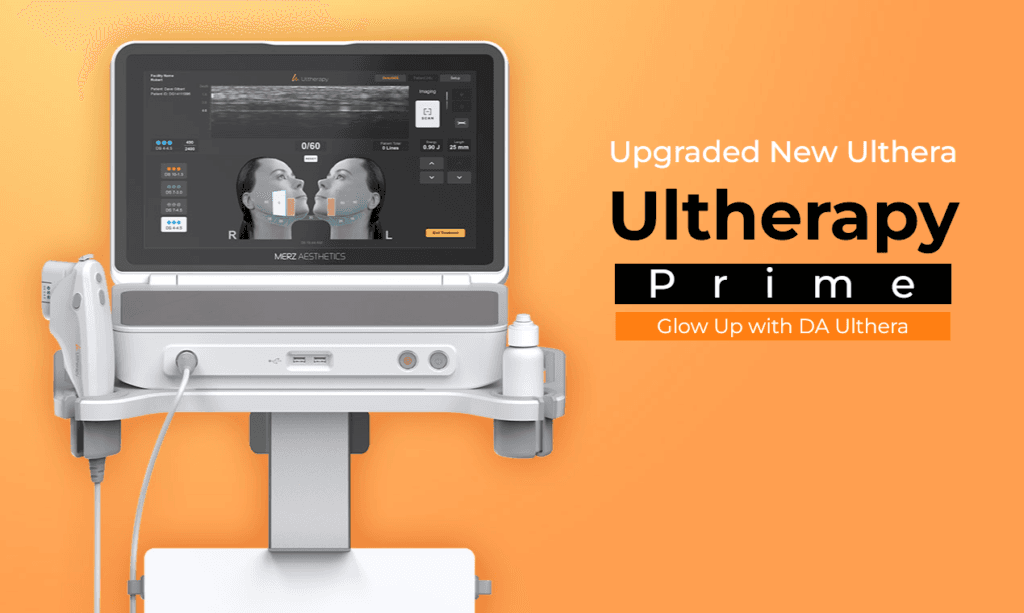
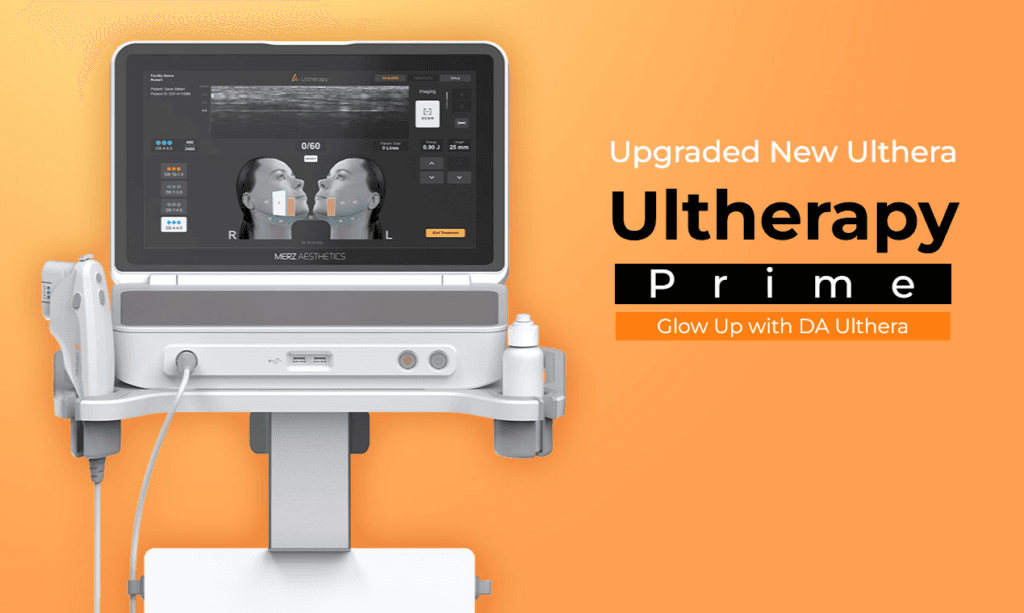
Ultherapy as a Medical Skin Lifting Solution
Modern healthcare focuses on treatments that are both effective and minimally invasive. Platforms like cms.docrowen.com emphasize evidence-based medical information and patient-centered care. Within this medical framework, ultherapy stands out as a non-invasive treatment that supports skin lifting and long-term skin health.
Unlike traditional surgical procedures, ultherapy uses advanced technology to stimulate the body’s natural regenerative processes.
What Is Ultherapy?
Ultherapy is a non-invasive treatment that uses focused ultrasound energy to stimulate collagen production deep within the skin. It is commonly used to improve:
- Skin laxity
- Fine lines and wrinkles
- Jawline definition
- Overall facial firmness
Clinics offering structured medical information, such as https://daprseng.com/skin/ultherapy.php
provide detailed insights into the procedure and expected outcomes.
How Ultherapy Works
Ultherapy targets deeper layers of the skin without affecting the surface. The process involves:
- Delivering ultrasound energy to precise depths
- Stimulating collagen production
- Gradual tightening and lifting of the skin
- Natural improvement over time
This mechanism allows the body to regenerate tissue in a controlled and predictable way.
Medical Benefits of Ultherapy
From a healthcare perspective, ultherapy offers several advantages:
- Non-invasive approach with no incisions
- Minimal downtime compared to surgery
- Gradual, natural-looking results
- Long-term collagen support
These benefits make it a preferred option for patients seeking subtle and safe improvements.
Structured Consultation and Diagnosis
Medical treatments require proper evaluation before execution. Ultherapy typically begins with:
- Skin condition assessment
- Evaluation of elasticity and thickness
- Identification of treatment areas
- Personalized treatment planning
Resources like https://daprseng.com/skin/ultherapy.php
highlight the importance of structured consultation in achieving optimal results.
Recovery and Post-Treatment Care
One of the key advantages of ultherapy is its minimal recovery time. Patients may experience:
- Mild redness or swelling
- Temporary sensitivity
- Gradual improvement over weeks to months
Post-treatment care usually includes:
- Hydration and skincare maintenance
- Sun protection
- Follow-up consultations
Consistency in aftercare supports long-term results.
Ultherapy vs. Surgical Alternatives
Compared to surgical lifting procedures, ultherapy offers:
- No anesthesia or incisions
- Lower risk profile
- Shorter recovery time
- More subtle, natural results
However, it may not replace surgery for individuals with significant skin laxity. Proper consultation is essential to determine suitability.
Patient-Centered Medical Approach
Modern healthcare prioritizes patient education and transparency. In ultherapy treatment, this includes:
- Clear explanation of the procedure
- Realistic expectation setting
- Monitoring of results over time
- Ongoing patient support
A patient-centered approach improves both safety and satisfaction.
Ultherapy in Modern Medical Trends
As medical technology advances, ultherapy reflects broader trends such as:
- Non-invasive treatment options
- Technology-driven precision
- Preventive and regenerative care
- Personalized treatment planning
These trends align with the shift toward safer and more sustainable healthcare solutions.
Conclusion: A Safe and Effective Skin Lifting Option
Ultherapy represents a modern approach to skin lifting that combines medical precision with non-invasive technology. By stimulating natural collagen production, it provides gradual and long-lasting improvements without the need for surgery.
For individuals seeking a balance between effectiveness and safety, ultherapy offers a reliable solution within today’s evolving medical landscape.