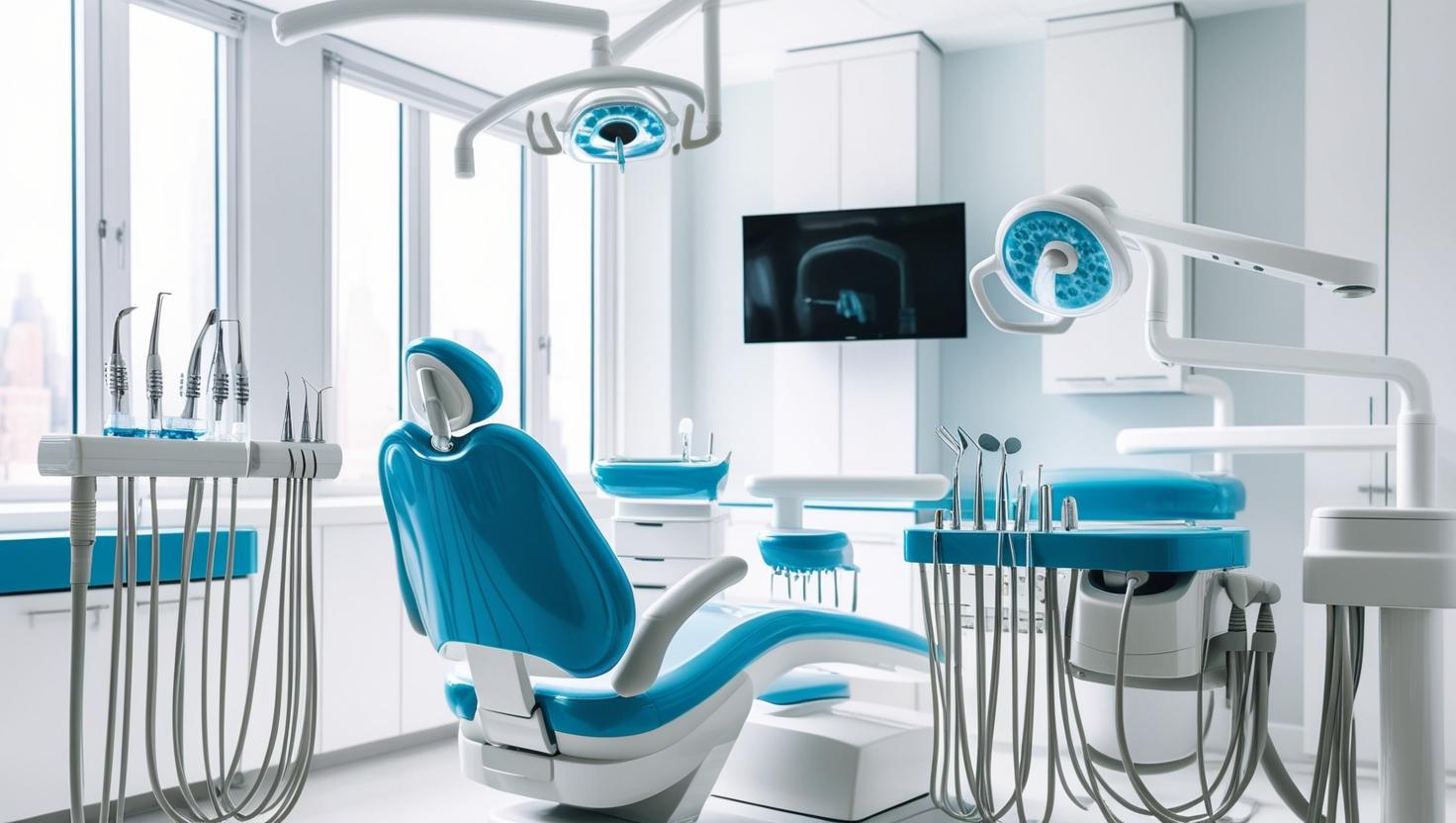

When it comes to healthcare, finding the right doctor can make all the difference in your overall well-being. New York City is home to thousands of medical professionals, so it’s easy to feel overwhelmed by the sheer number of choices. Whether you’re new to NYC or simply seeking a better healthcare experience, here are some key steps to help you find a trusted and reputable physician in the city.
1. Identify Your Needs
The first step in finding a good doctor is determining what type of care you need. Are you looking for a primary care physician (PCP) for regular checkups and general health maintenance? Or are you searching for a specialist in a particular field—such as a cardiologist, dermatologist, or gastroenterologist? Having a clear understanding of your needs will help you narrow down your search and find doctors with the right expertise.
2. Check Your Insurance Coverage
Before diving into detailed research, start by consulting your health insurance plan. Most providers offer an online directory of in-network physicians, which can significantly reduce your out-of-pocket expenses. If you see an out-of-network doctor, you may be responsible for a larger share—or all—of the costs.
Tips:
- Log in to your insurance portal to find in-network doctors in your area.
- Call your insurance company if you have specific questions or want to confirm coverage details.
- Keep an eye out for any copay or deductible information that might affect your budget.
3. Research Credentials and Experience
New York City’s reputation for high-quality healthcare starts with its physicians. Still, not all doctors will be equally suited to your needs. Confirming a doctor’s qualifications and track record is essential.
What to look for:
- Board Certification: This indicates that the doctor has undergone advanced training and has passed rigorous exams in their field.
- Educational Background: Check the medical school they attended and where they completed their residency or fellowship.
- Hospital Affiliation: Find out which hospitals the doctor is affiliated with, especially if you anticipate needing hospital care or procedures.
- Professional Associations: Being a member of reputable medical societies and organizations can be a sign of ongoing education and commitment to the latest medical standards.
4. Consider Location and Accessibility
NYC’s dense traffic, crowded streets, and extensive public transportation system can make traveling to a doctor’s office challenging. Prioritize convenience when selecting a doctor by considering the following factors:
- Proximity: Choosing a doctor near your home or workplace can make it much easier to keep appointments and save time.
- Office Hours: If you work full-time, look for offices offering extended hours in the evenings or weekends.
- Accessibility: If you have mobility issues or prefer public transportation, look for an office that is easily accessible by bus, subway, or taxi.
5. Read Patient Reviews and Testimonials
Online review platforms, such as Healthgrades, Zocdoc, and Google Reviews, can provide valuable insights into a physician’s practice. These reviews often address:
- Bedside Manner: How personable and attentive the doctor is.
- Wait Times: Lengthy delays can be frustrating, so patient feedback about punctuality is useful.
- Office Staff: Courteous, efficient staff can make a big difference in your overall experience.
- Scheduling Ease: Check if there are mentions of quick and easy appointment booking versus consistently packed schedules.
Keep in mind that reviews are subjective, and a few negative comments shouldn’t disqualify an otherwise excellent doctor. Instead, look for patterns. Repeated complaints about the same issues, like poor communication or rushed appointments, may be a red flag.
6. Seek Recommendations From Friends and Family
Word of mouth can be one of the most reliable ways to find a great doctor. Ask friends, colleagues, and family members in NYC about their experiences, especially if they have similar healthcare needs. Personal recommendations often come with honest feedback on bedside manner, office environment, and overall patient satisfaction.
7. Schedule an Introductory Appointment
If possible, book an initial “get-to-know-you” appointment or a routine checkup to see if the doctor is a good fit. During this visit, pay attention to:
- Communication Style: Does the doctor explain complex medical information in a clear, understandable way?
- Listening Skills: Does the doctor give you time to talk and ask questions, or do they seem rushed?
- Comfort Level: It’s vital to feel at ease discussing sensitive health issues—choose someone you trust and can communicate with openly.
8. Evaluate Support Services
A great doctor’s office is more than just the physician. Support staff, such as nurses, receptionists, and billing specialists, also play crucial roles in your healthcare experience. Make sure the office:
- Responds promptly to phone calls or emails.
- Efficiently handles insurance claims and billing.
- Has clear channels for communication about lab results, prescriptions, and follow-up appointments.
9. Use Telehealth Options When Necessary
Since the pandemic, many doctors offer telehealth services—virtual consultations via phone or video calls. These services can be convenient for simple questions, prescription renewals, or follow-up appointments when you’re short on time or not feeling well enough to commute. If telehealth is essential to you, confirm that your chosen doctor provides this option.
10. Trust Your Instincts
Finally, choosing a doctor is a personal decision. While credentials, location, and office environment are important, nothing replaces your own sense of comfort and trust. If something feels “off,” don’t hesitate to look for a new physician. Your health and peace of mind are too important to settle for less.
Conclusion
Finding a reliable doctor in New York City involves careful research, thoughtful consideration of logistics, and open communication about your health needs. Start by clarifying the type of care you require and checking your insurance coverage. Next, look into doctors’ credentials, read patient reviews, and seek referrals from friends or colleagues. Finally, trust your instincts when meeting a new physician. With the right balance of expertise, accessibility, and personal compatibility, you’ll be on your way to establishing a positive and long-lasting doctor-patient relationship in the bustling heart of NYC.